
Top 9 Uses of Wallpaper in Film and TV
How wallpaper printing establishes mood, decor and style for set designs and cinematic applications.
 By Joseph A. Gornail
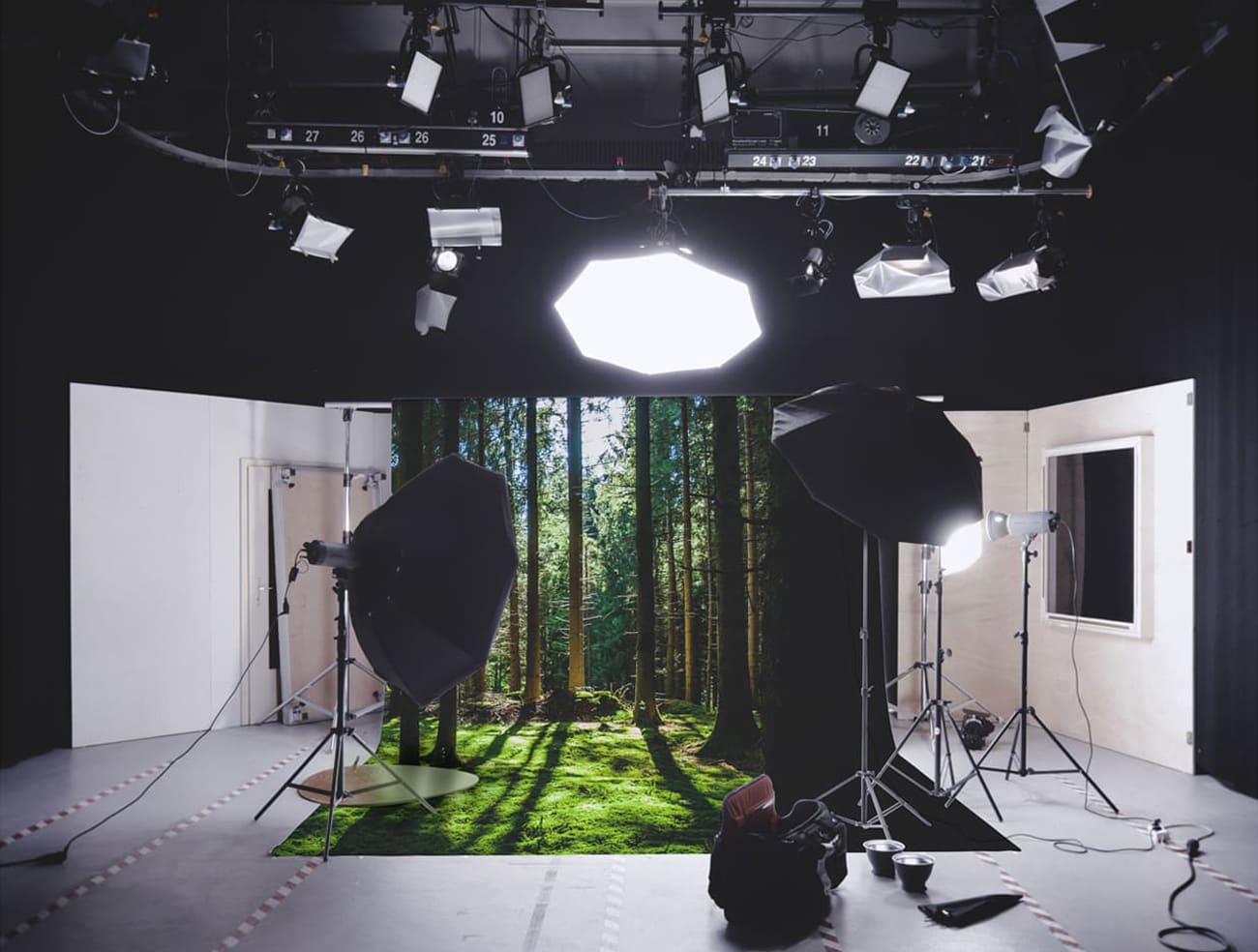
Custom Wallpaper for Film Production: The Set Designer’s Complete Guide
The art of film production has always balanced practical craft with technological innovation. While CGI dominates conversations about modern filmmaking, a quiet renaissance in practical set design continues—driven by advances in large format printing that make custom backdrops more accessible, precise, and cinematically viable than ever before.
Digital wallpaper printing at 1200 DPI resolution, combined with 40+ specialized materials and 5-7 day production timelines, gives production designers tools that previous generations could only imagine. The question isn’t whether printed backdrops belong in your toolkit—it’s understanding how to use them effectively.
Why Practical Backgrounds Still Matter
Christopher Nolan’s commitment to practical effects, The Mandalorian’s LED volume technology, and the broader virtual production movement all point to the same truth: physical elements ground performances in ways that pure CGI struggles to match. Actors respond differently when interacting with tangible environments. Lighting behaves naturally. The camera captures something real.
Large format printing sits at this intersection—combining digital precision with physical presence. You get the flexibility of digital workflow with the authenticity of practical set elements.
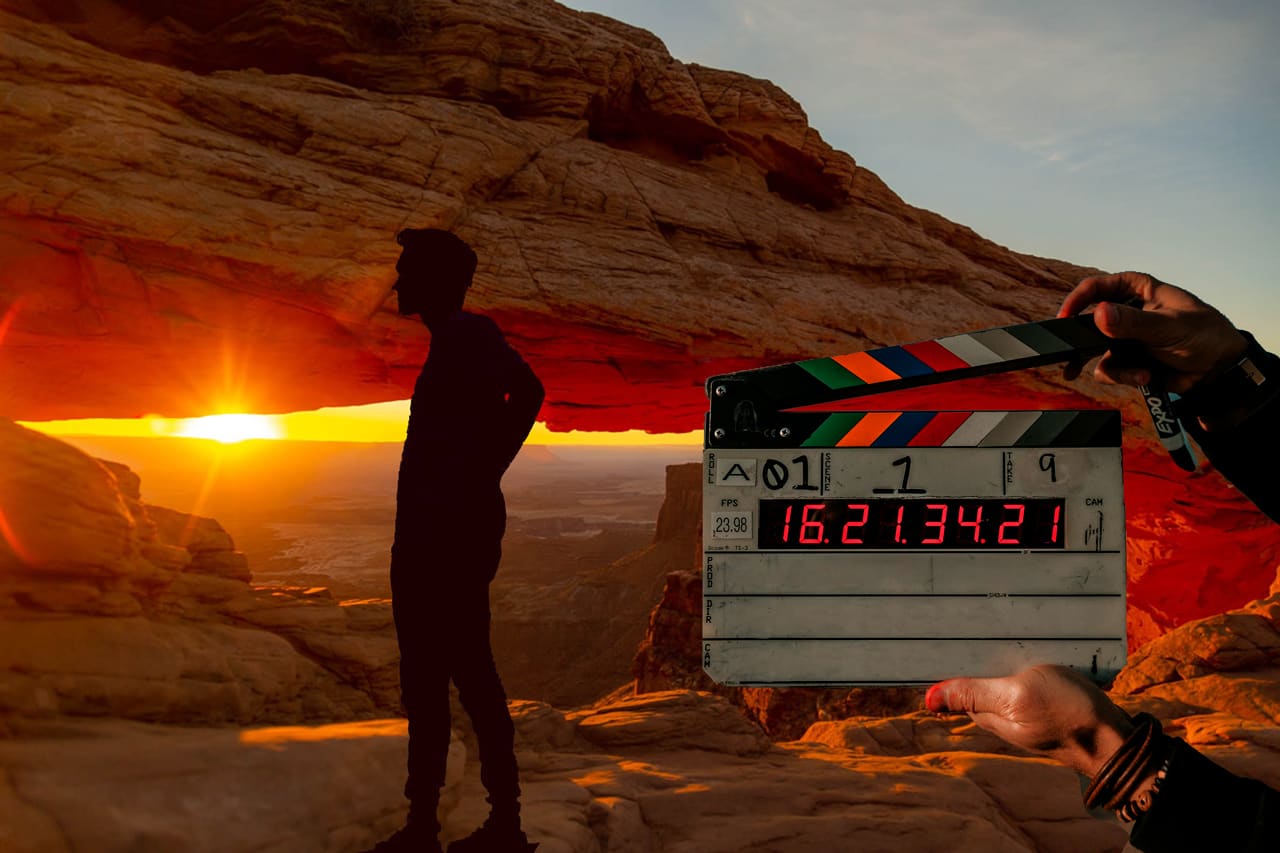
1. Photographic Panoramas & Location Recreation
Resolution Requirements
The critical calculation: a 16-foot-wide backdrop needs roughly 57,600 pixels width at 300 DPI—that’s a 230-megapixel image. Modern printers can work with lower resolutions, but understanding the tradeoff matters. At 1200 DPI capability, source files need serious pixel density for close-up work.
Strategic Applications: - Historic locations that no longer exist - Exotic environments exceeding location budgets - Window views requiring consistent weather/time of day - Background extensions for stage work
Pro Tip: Commission 3D artists to create environments digitally, then render at whatever resolution you need. Complete control over lighting, perspective, and atmosphere—plus the ability to generate multiple angles from the same environment.
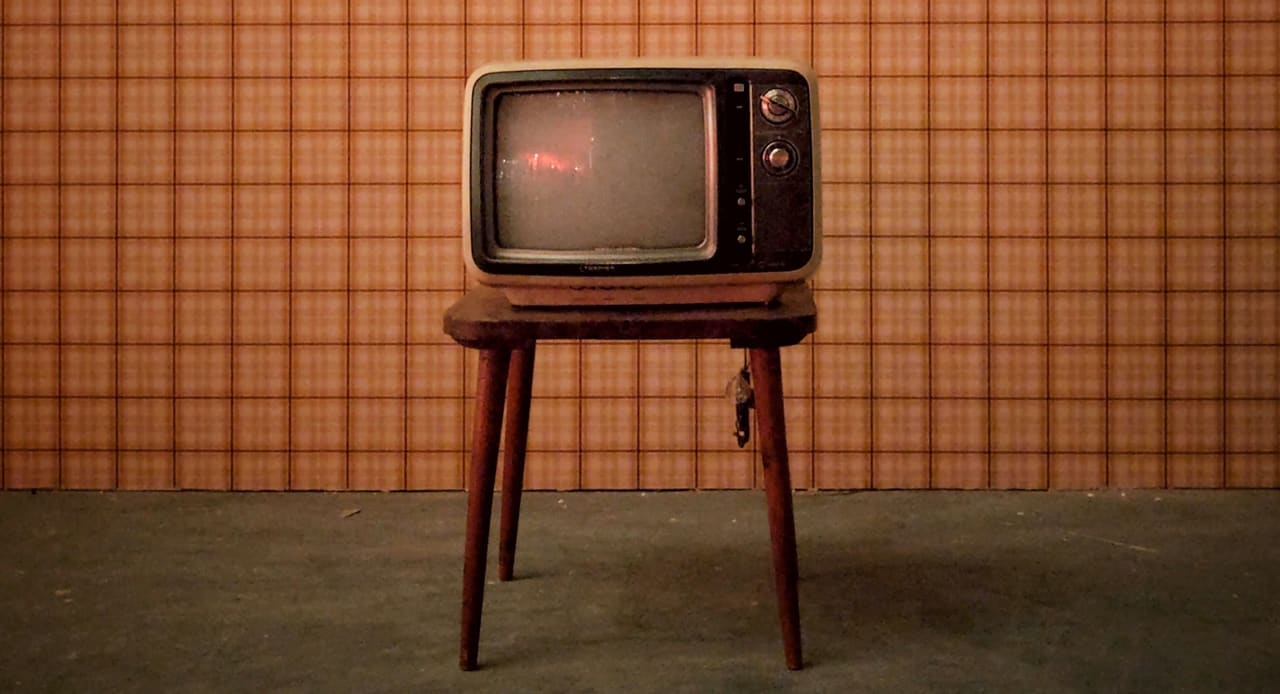
2. Period-Accurate Wallpaper Patterns
Dating Your Set Through Pattern
Wall treatments instantly communicate era and socioeconomic context. But sourcing authentic vintage wallpaper presents challenges: limited availability, fragile condition, impractical costs for temporary installations.
Digital reproduction allows you to work from historical archives, photograph existing installations, or commission custom designs capturing period aesthetics without aged material limitations.
Material Selection Matters: Period wallpapers had specific characteristics—matte finishes, slight texture variations, subtle color inconsistencies. Modern materials can replicate or avoid these qualities depending on your needs.
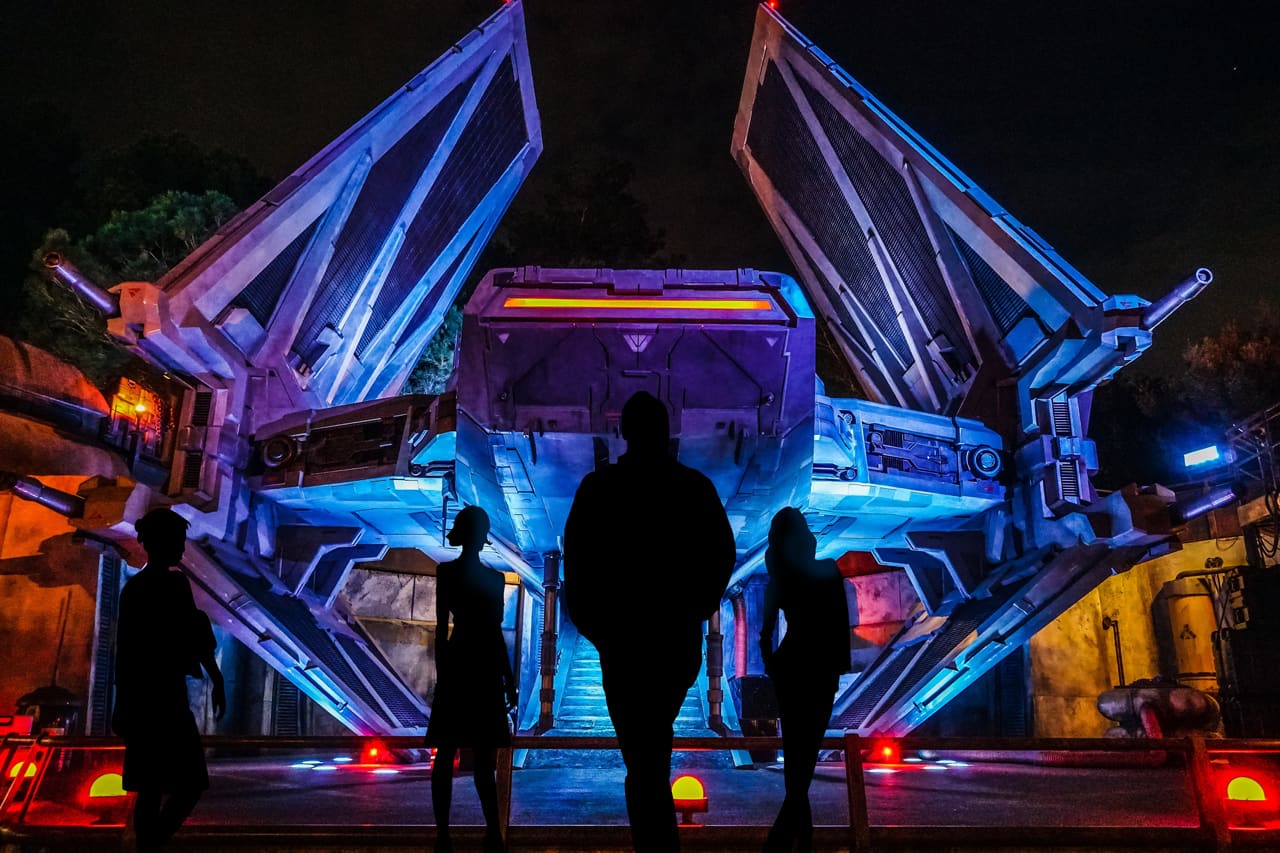
3. Fantasy & Science Fiction Environments
Building Worlds on Budgets
Science fiction and fantasy face unique challenges: creating believable environments for worlds that don’t exist. Modern 3D rendering software (Blender, Cinema 4D, Unreal Engine) allows production designers to create photorealistic environments digitally, then output them at any resolution required.
This workflow gives complete control over every aspect—from alien architecture to distant planetary landscapes—without the constraints of practical construction.
The key is matching material properties to world-building logic. Sleek sci-fi demands different surface characteristics than weathered post-apocalyptic settings.
4. Architectural Surface Simulation
When Building Would Break the Budget
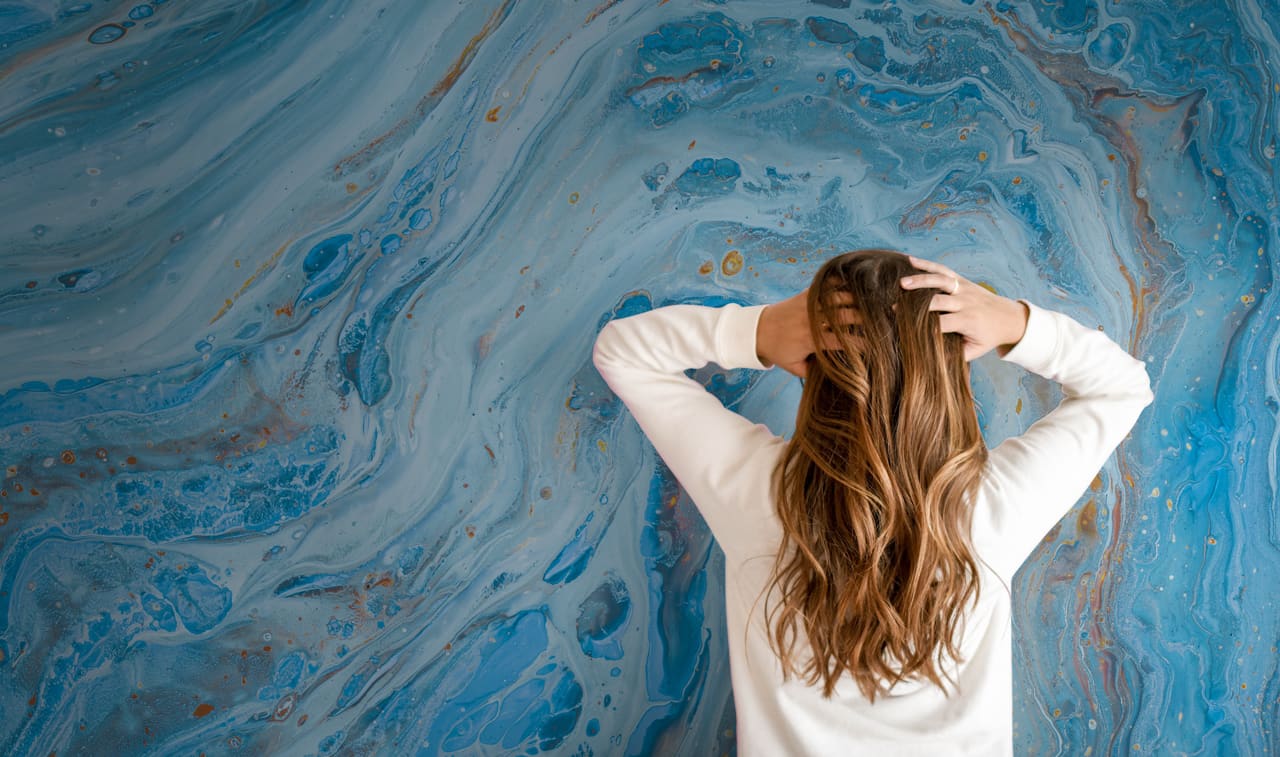
Scripts call for marble columns, wood-paneled libraries, stone castle walls. High-resolution photography of real materials, printed at proper scale on textured substrates, creates convincing illusions.
The secret is in details: proper scale, appropriate lighting in source photography, strategic material selection. Flat-lit marble won’t have dimensional cues, but marble captured with dramatic side lighting reveals surface variations that sell the illusion.
Critical Factors: - Source photography must include proper lighting and shadows - Print scale must match expected perception - Material texture should complement printed image - Installation must allow for proper depth staging
5. Step & Repeat Branding Walls
Documentary & Commercial Essential
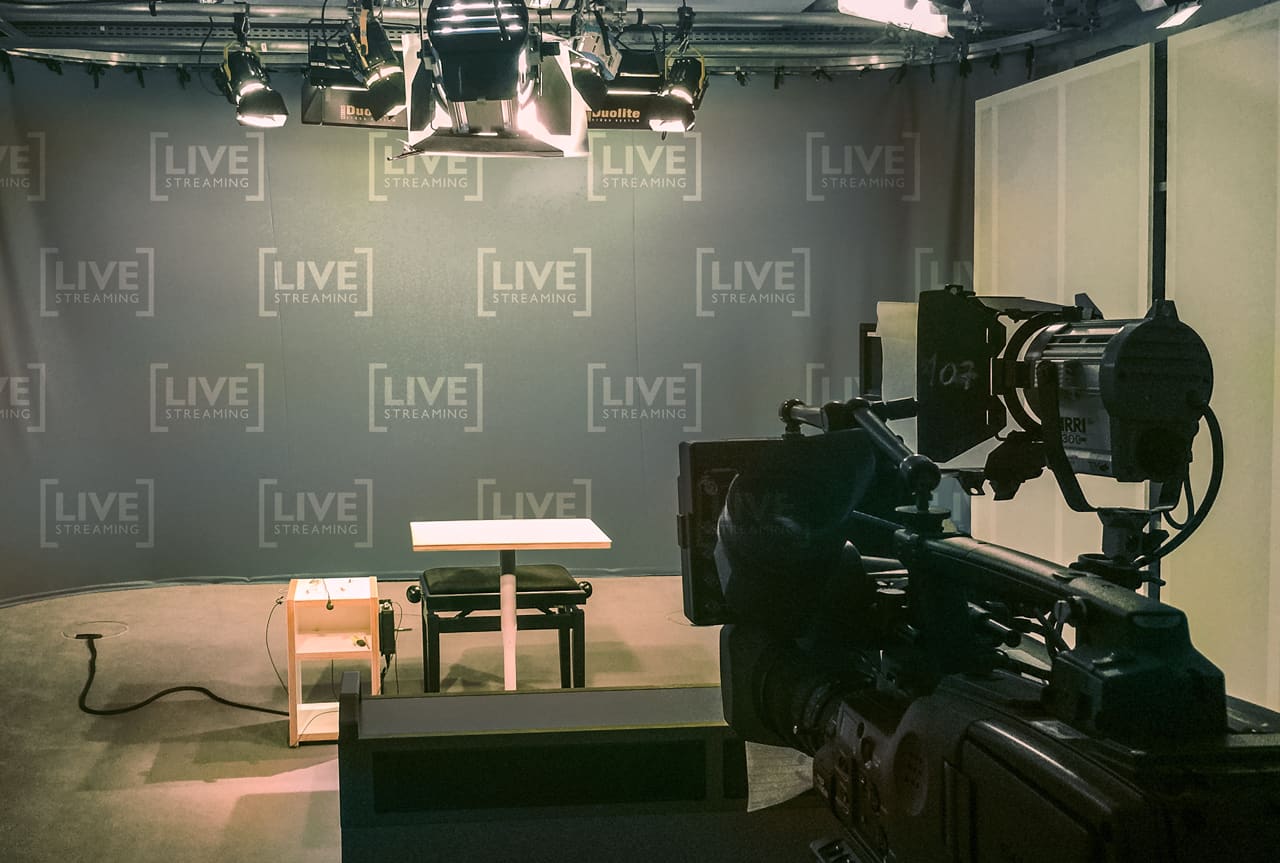
Red carpet events, press conferences, product launches—any scene requiring branded backgrounds needs step and repeat patterns that look professional on camera.
Vector artwork is essential—logos need to be supplied as EPS, AI, or PDF files to ensure crisp reproduction at any scale. Raster images pixelate when scaled up, and no post-processing saves low-resolution logos blown up to wall size.
Matte finishes eliminate lighting hotspots and reflections. Order 10-15% extra material for on-set repairs and future productions.
6. Museum & Gallery Installations
Art Historical Accuracy
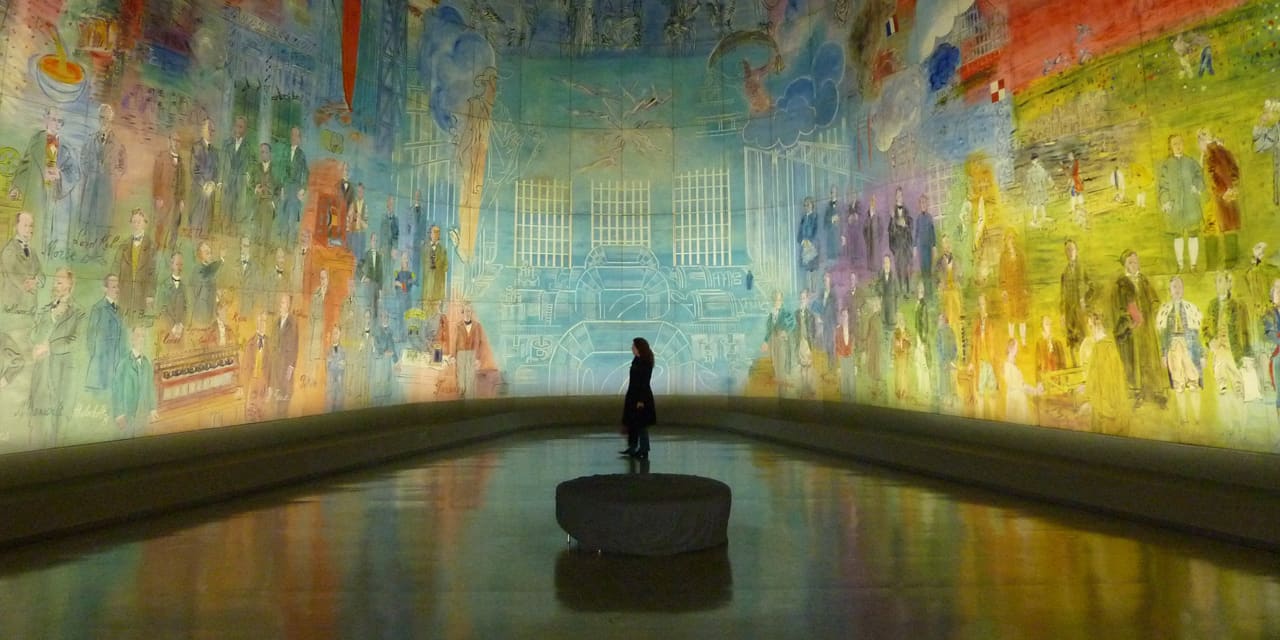
Biopics require recreating specific artworks at specific scales for gallery scenes. Museum-quality reproduction printing delivers color accuracy and detail resolution that holds up under close scrutiny.
Critical Considerations: - Copyright clearance on artwork (even historical pieces may have restrictions) - Color accuracy under your lighting package (warm tungsten shifts cool colors) - Appropriate framing matching depicted period - Scale accuracy to actual artwork dimensions
Canvas materials provide surface texture expected of painted works, while matte finishes work better for photographic or graphic art reproduction.
7. Ceiling Applications
Overhead Challenges
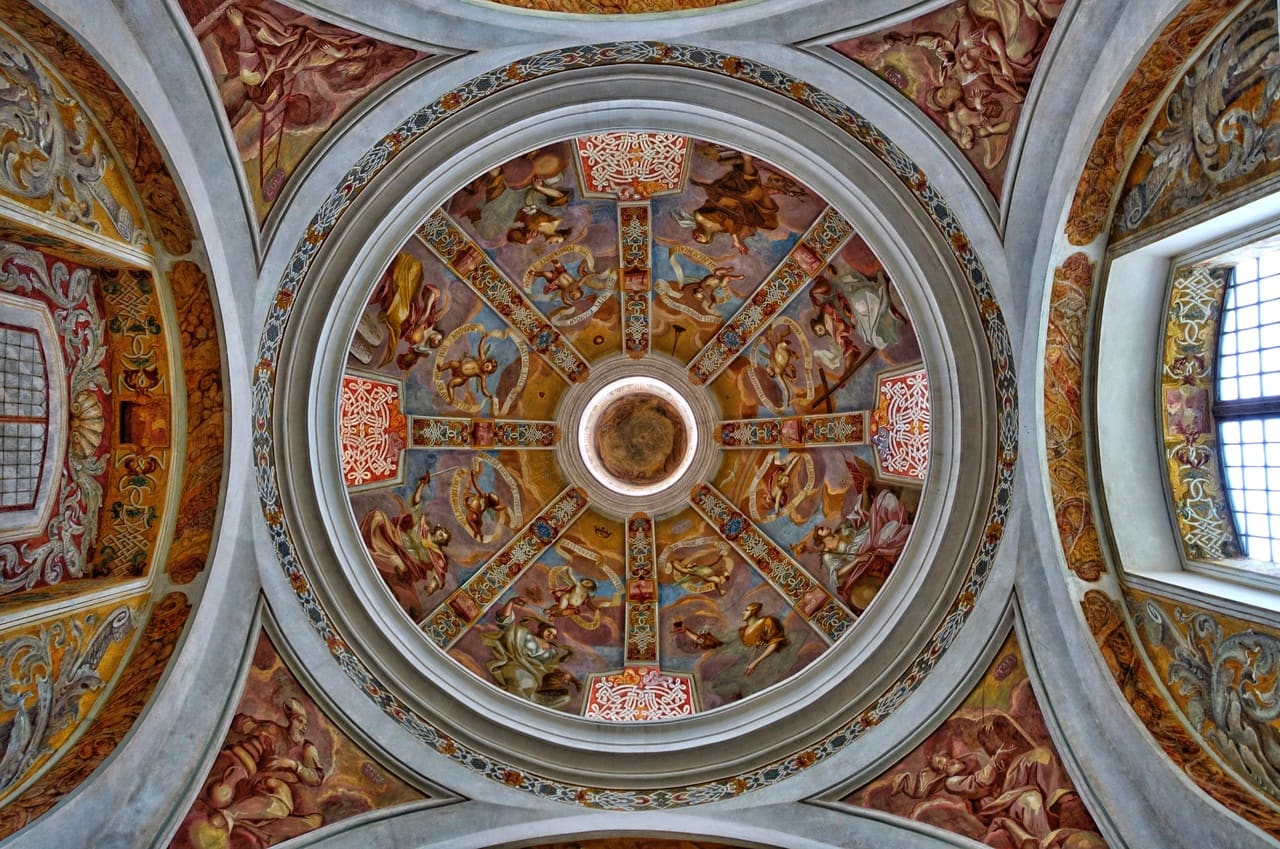
Ceilings are harder than walls. Gravity works against you, adhesive needs stronger initial tack, seam alignment becomes more critical when viewers see the entire surface at once.
Peel and stick options work well for temporary installations—pressure-sensitive adhesive bonds immediately without requiring extended working time. For permanent studio installations, traditional paste application delivers superior longevity.
Lighting Consideration: Overhead lighting creates different shadow patterns than wall lighting. Review material samples under lights positioned at the same angles you’ll use during filming.
8. Floor Graphics
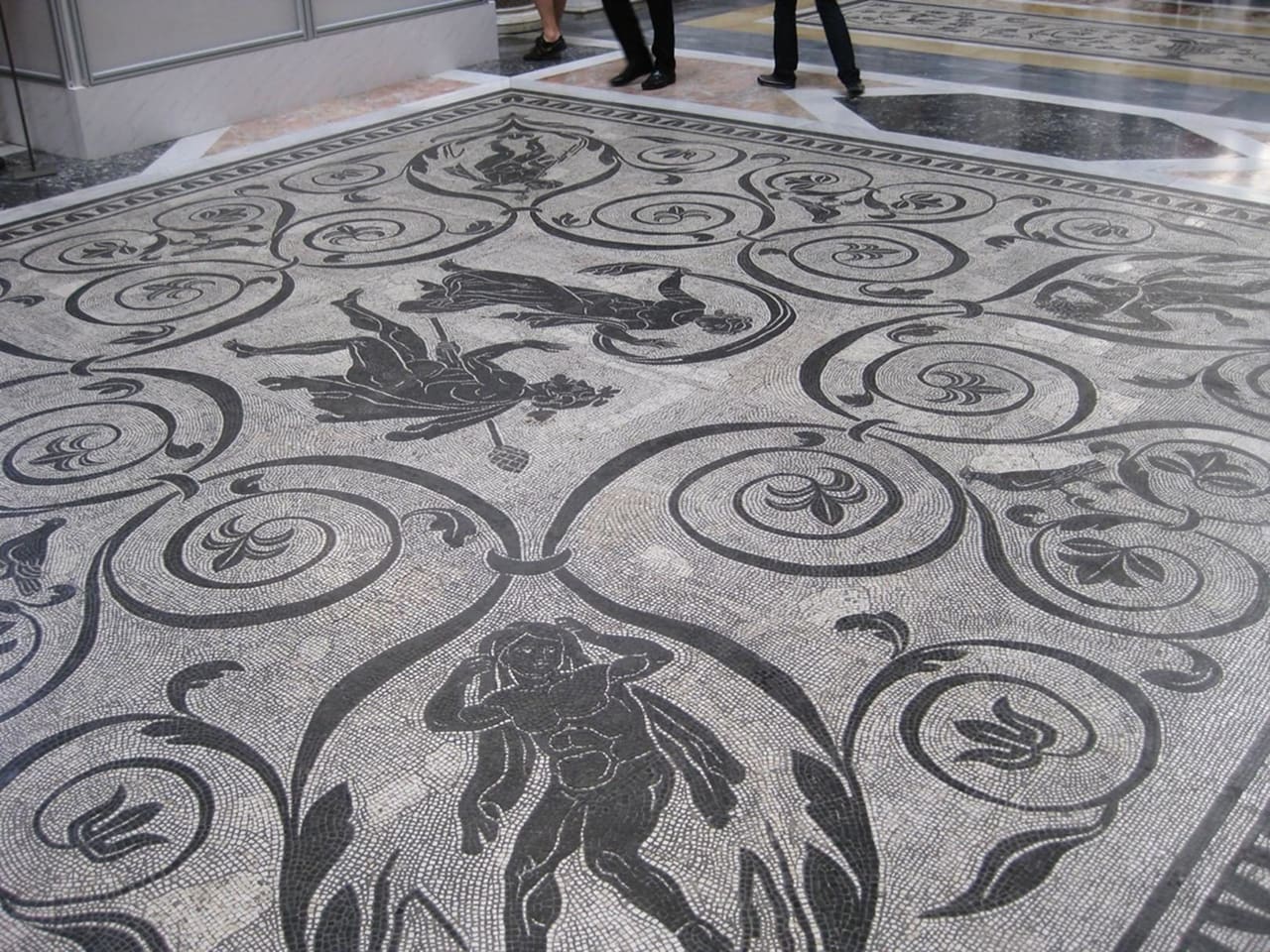
Ground Surface Design
Floor applications require different properties: slip resistance, durability under foot traffic, adhesive systems that bond to horizontal surfaces. Modern printable floor coverings solve these challenges with specialized constructions.
Certified slip-resistant materials meet ANSI A137.1 standards, making them suitable where crew will be walking during production. Vinyl construction resists scuffing and allows wet cleaning between takes.
Applications: - Period-accurate tile or wood floor patterns - Fantasy or sci-fi ground surfaces - Topographical maps for overhead shots - Decorative patterns for dance sequences
9. Textile & Fabric Simulation
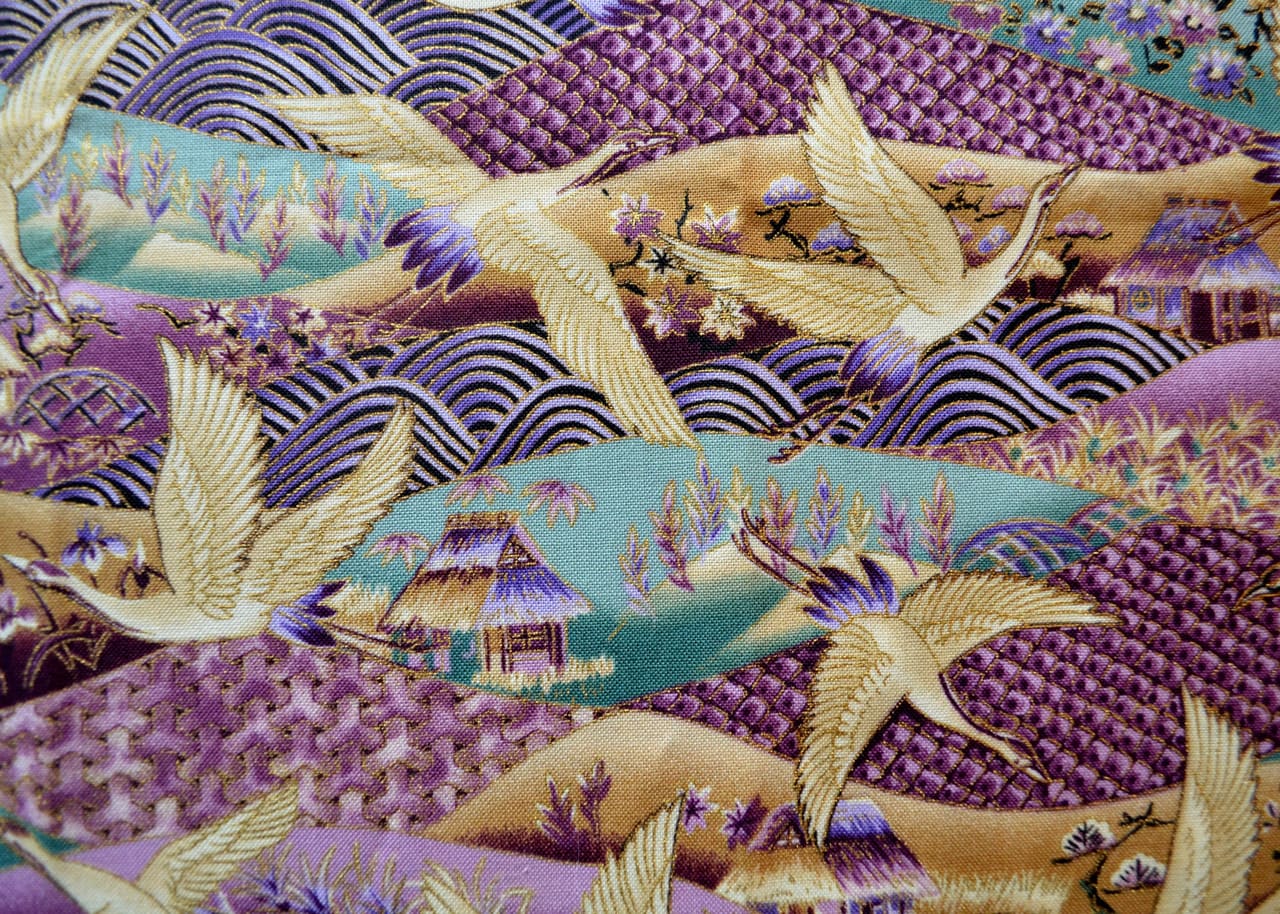
When Actual Fabric Doesn’t Scale
Period tapestries, elaborate draperies, decorative textiles often need reproduction—but sourcing antiques or commissioning custom weaving exceeds reasonable budgets. Printing on fabric-textured materials creates convincing alternatives.
Fabric weave patterns have inherent scale—printing tapestries supposedly visible as hand-stitched work requires appropriate thread thickness and spacing in source imagery. Review reference photos of actual historical textiles to understand proper scale relationships.
Material Selection Strategy
With 40+ substrate options, material selection becomes strategic:
For Photographic Reproduction: Matte eliminates lighting hotspots, canvas adds subtle texture, plaster creates dimensional variations.
For Period Accuracy: Grasscloth suggests handcrafted materials, silk adds subtle sheen for luxury interiors, linen reads as traditional wallcovering.
For Modern/Fantasy: Metallic finishes for sci-fi environments, glossy surfaces for high-tech aesthetics, specialty textures for unique effects.
For Temporary Installations: Peel and stick options offer clean removal and repositionable application.
Fire Safety & Location Requirements
Most shooting locations—studios, commercial spaces, public buildings—require Class A fire rated materials for installed wall coverings. This isn’t optional; it’s a condition of location permits and insurance coverage.
Technical certifications matter here—you need documentation showing ASTM E-84 compliance with flame spread ratings of 0-25. Keep certification documents with production paperwork. Fire marshals want to see them, and delaying shoots while tracking down compliance documentation costs more than having it ready.
The Press Proof Process
In commercial work, small color variations rarely matter. In film production, every visual element gets scrutinized under lights, captured in 4K or higher, potentially viewed on 40-foot screens.
Press proof services print your artwork on actual production materials using the same inks, resolution, and process for final production. This isn’t a digital mockup—it’s a real sample from the production press.
Critical for Film: Review samples under your actual lighting conditions. Beautiful proofs under office LEDs may need color adjustment when viewed under tungsten or HMI lighting. Better to discover this during proofing than after printing 500 square feet.
Standard turnaround: 5-7 days. For rush productions, expedited proofing is available.
Installation Considerations
Film production often means installing in locations with limited access, tight schedules, and crews who may have limited wallcovering experience.
Peel and stick options are grip-friendly—pressure-sensitive adhesive, repositionable during application, minimal tools required. Set decorators can handle installation without specialized training.
Traditional paste application requires more expertise: proper adhesive selection, surface preparation, booking time, seam technique. For large or critical installations, professional installation makes sense despite added cost and scheduling complexity.
Project management services provide detailed schematics showing panel layout, overlap zones, and installation sequence—these become part of your art department’s installation package.
Common Pitfalls
Resolution Disaster: Sourcing imagery at 72 DPI assuming enhancement is possible. Result: pixelated backdrop obvious on camera, lost shooting day. Verify source resolution before committing to designs.
Color Mismatch: Approving proofs under office lighting, discovering they look wrong under tungsten on set. Review physical samples under actual production lighting.
Installation Failure: Choosing traditional materials for location shoots without proper surface prep. Match material selection to installation reality—locations with limited prep time need peel-and-stick options.
Removal Damage: Using permanent materials on locations, damaging walls during removal, facing restoration fees exceeding the entire backdrop budget. Use removable options for any location that isn’t yours.
Technical Specifications
Print Resolution: Up to 1200 DPI—significantly higher than industry standard 600-800 DPI. This difference becomes visible in closeups or high-resolution formats.
Maximum Width: 52 inches printable width. Larger backdrops require multiple panels with seamed installation.
Color Matching: Matched against reference libraries covering Pantone, Benjamin Moore, Sherwin Williams, and major paint standards.
Inks: UV-cured inks fully dried during printing—zero VOCs, no odor, immediate handling. Critical for studio installations where off-gassing would be problematic.
Getting Started
Film production demands solutions that respect creative vision while accommodating production reality—compressed timelines, location constraints, budget pressures, quality expectations.
At Fine Print NYC, we’ve spent two decades adapting printing expertise specifically to production requirements. We provide direct coordination, participate in production calls, and solve problems as they arise rather than pointing to terms and conditions.
Start your project: Call (212) 619-5446 and ask for Joseph, or email directly with project details. Include artwork or reference images, wall dimensions, shooting timeline, and any specific material requirements.
We’ll provide honest assessment of feasibility, timeline, and costs—plus recommendations that might improve your approach. Your backdrops need to work right the first time, on schedule, within budget.